
Building a Home
The Downsizer's Guide to Getting It Right the First Time
Moving from the family home is a big decision, and it deserves more thought than just choosing a smaller floor plan. A Forever Home should work beautifully for your life today, stay comfortable as your needs shift over time, and give you the freedom to actually enjoy your retirement rather than spend it on upkeep.
This checklist covers the things that genuinely matter when you're choosing your next home — the features worth prioritising, the details easy to overlook, and the questions worth asking before you commit.
Checkpoint 1
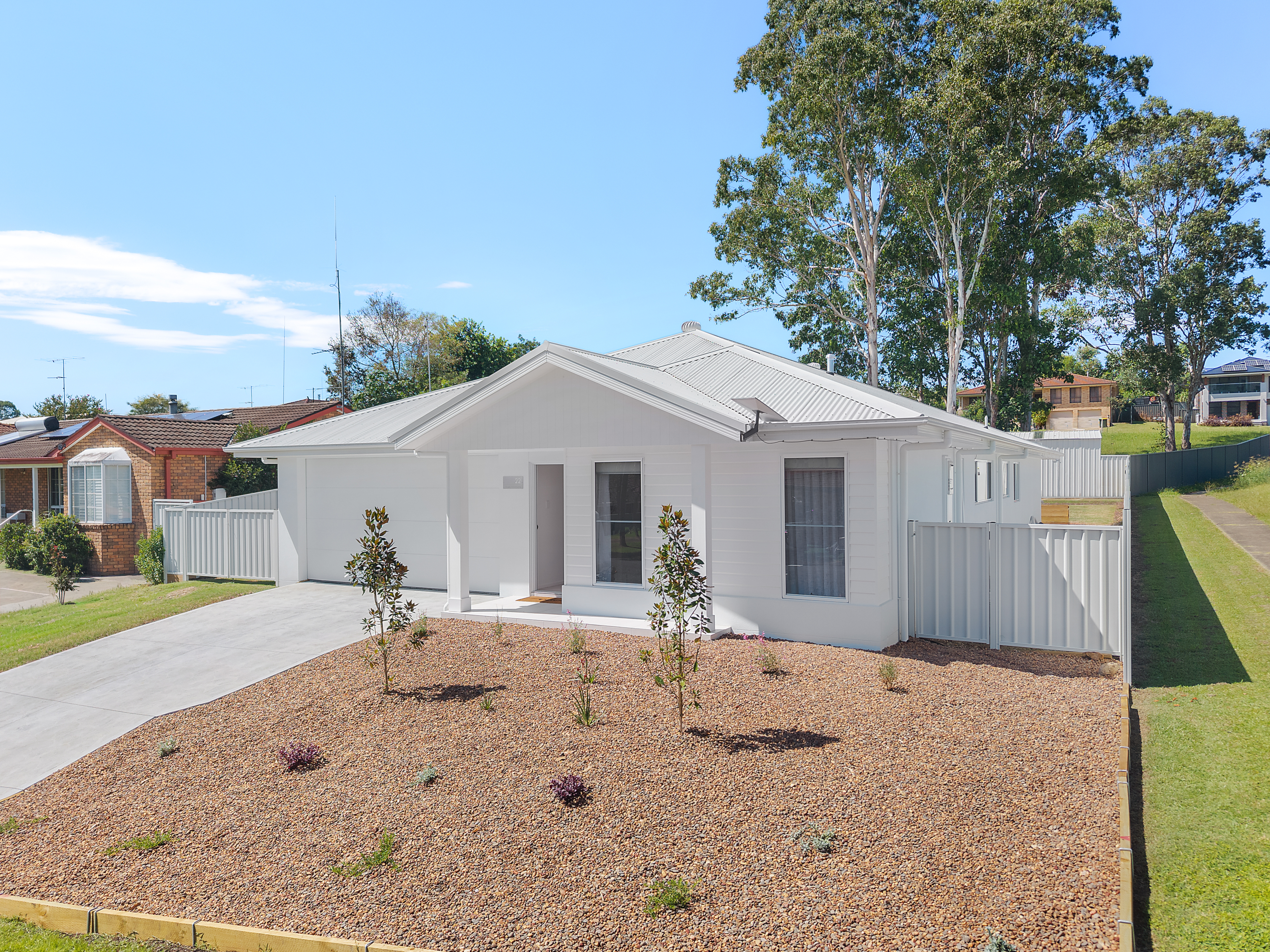
Single-Storey Living
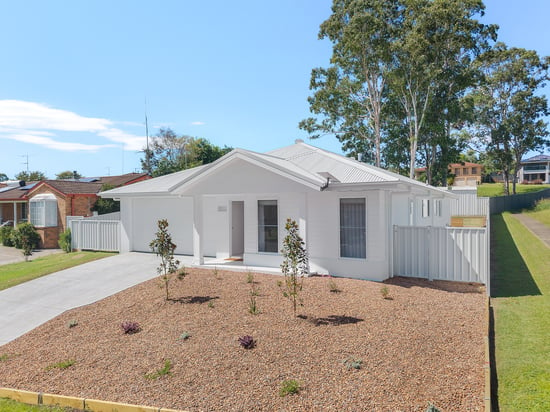
This is often the first thing downsizers look for, and for good reason. A single-storey home removes the daily inconvenience of stairs and makes the whole house accessible regardless of how you're feeling on any given day. It also means everything — the laundry, the spare bedroom, the back door — is on the same level, which makes the home genuinely easier to move through and manage.
If you're not thinking about stairs as a concern right now, think about them as a future one. A home you can live in comfortably for twenty or thirty years is far more valuable than one that works perfectly only in the short term.
What to check: Is the home entirely single-storey? Are there any sunken areas or raised thresholds that could become trip hazards over time?
Checkpoint 2
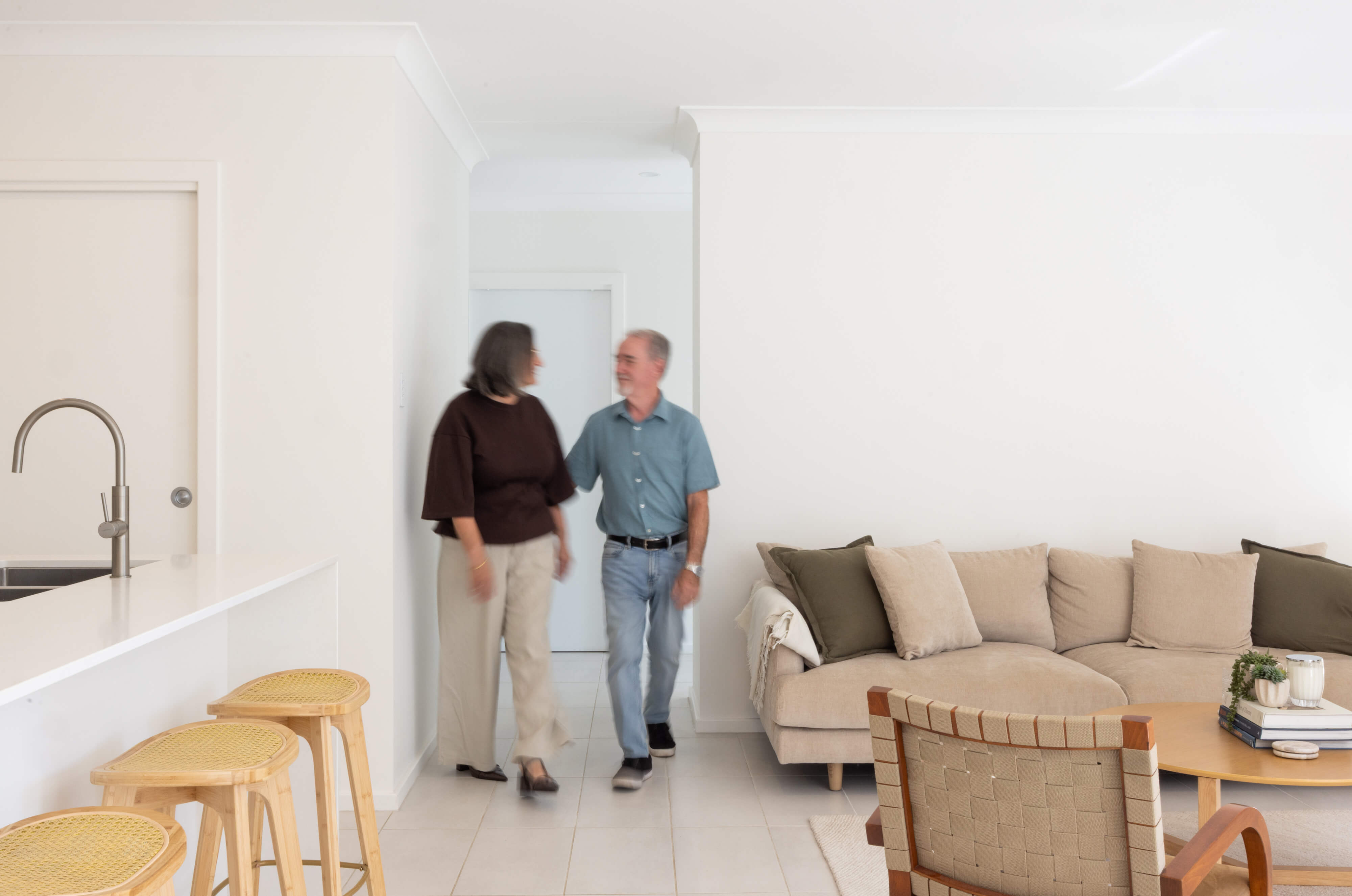
Low-Maintenance Outdoors
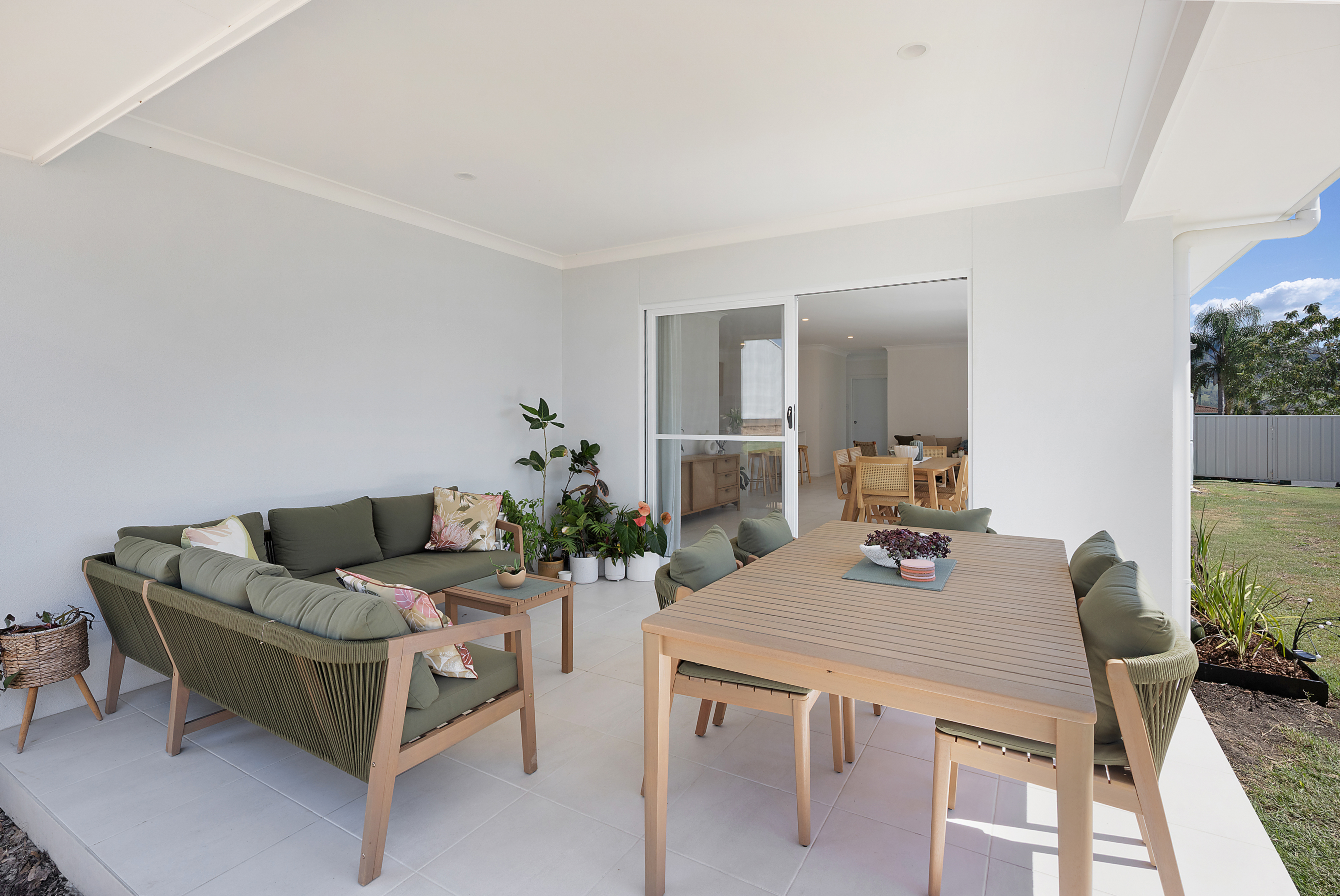
One of the biggest motivations for downsizing is getting back the weekends. A well-designed outdoor area should feel enjoyable, not like another job. Look for manageable garden sizes, easy-care landscaping, and outdoor spaces that are big enough to entertain in but small enough to keep tidy without a lot of effort.
Courtyards, covered alfresco areas, and established gardens tend to suit downsizers well. Large lawns, steep slopes, and high-maintenance planting are worth thinking carefully about before you commit.
What to check: How much regular maintenance will the outdoor areas need? Is there enough space for entertaining, but not so much that it becomes a burden?
Checkpoint 3
Good Natural Light
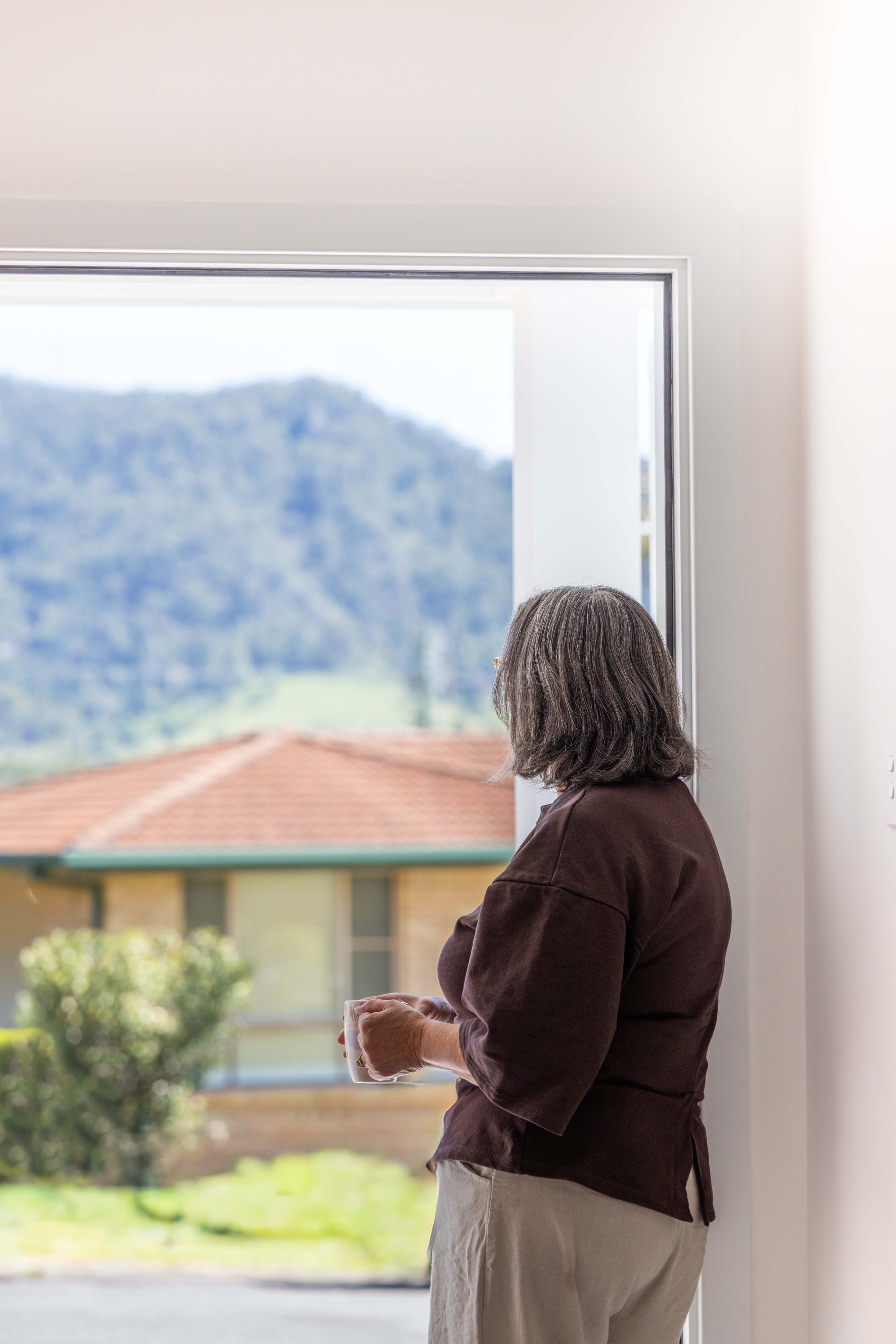
A home that feels bright and open does a lot for daily wellbeing, and it tends to age well too. North-facing living areas, well-placed windows, and connections between indoor and outdoor spaces make a home feel larger than its footprint and more pleasant to spend time in throughout the day.
Natural light also reduces the need for artificial lighting during the day, which keeps running costs down over time.
What to check: Where does the sun fall throughout the day? Do the main living areas get good light in the morning and afternoon? Are windows positioned to bring in light without creating too much heat in summer?
Checkpoint 4
A Proper Guest Space
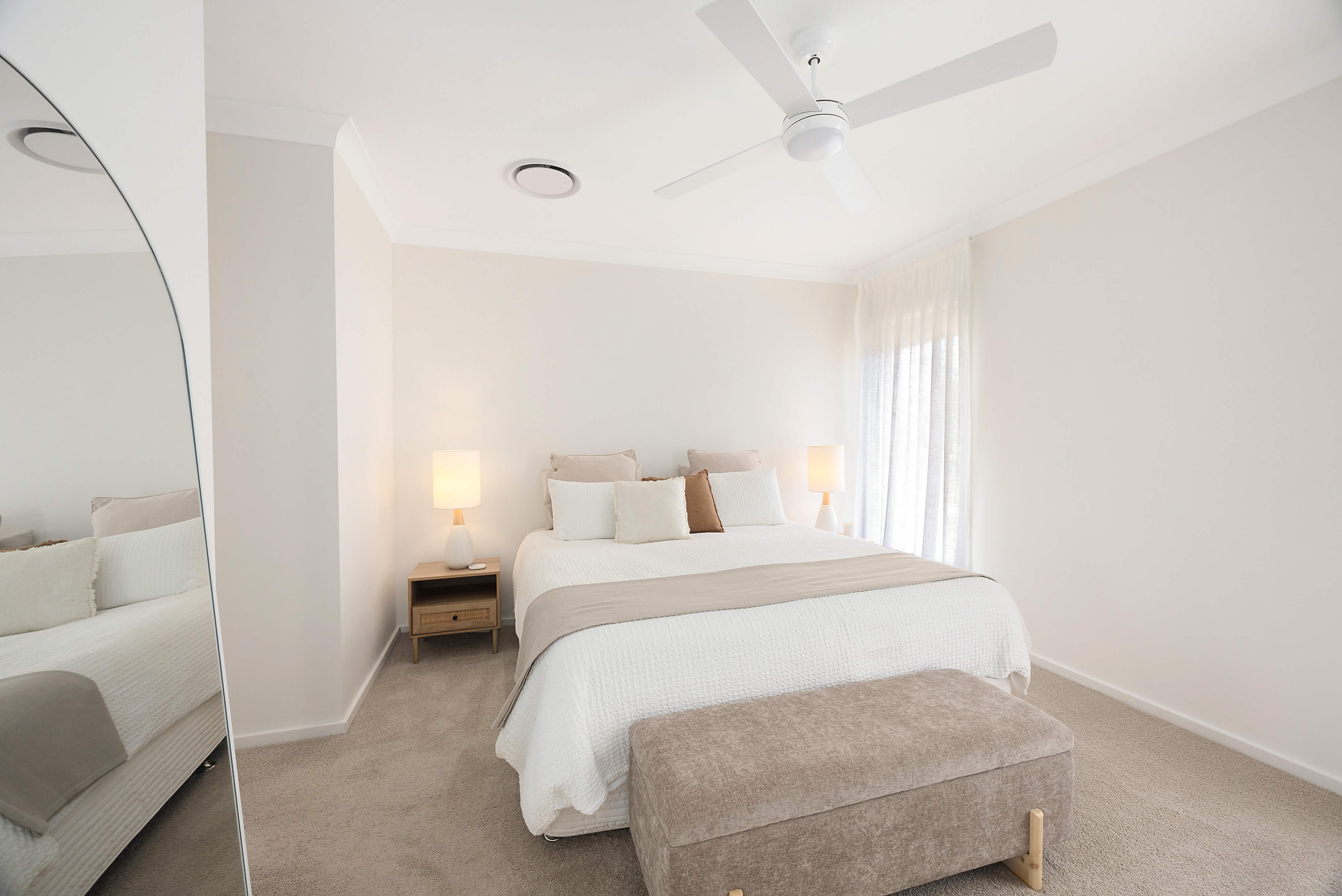
Downsizing does not mean giving up the ability to have people stay. A dedicated guest bedroom — or at minimum a flexible room that can serve as one — means the grandchildren can sleep over, adult children can visit from interstate, and you're not scrambling to find somewhere to put people when the family comes together.
Even a well-designed study or multipurpose room with a built-in wardrobe can do the job. The key is that it feels like a real room, not an afterthought.
What to check: Is there at least one separate bedroom that can comfortably accommodate visitors? Does it have adequate storage, privacy, and natural light?
Checkpoint 5
Proximity to Services and Community
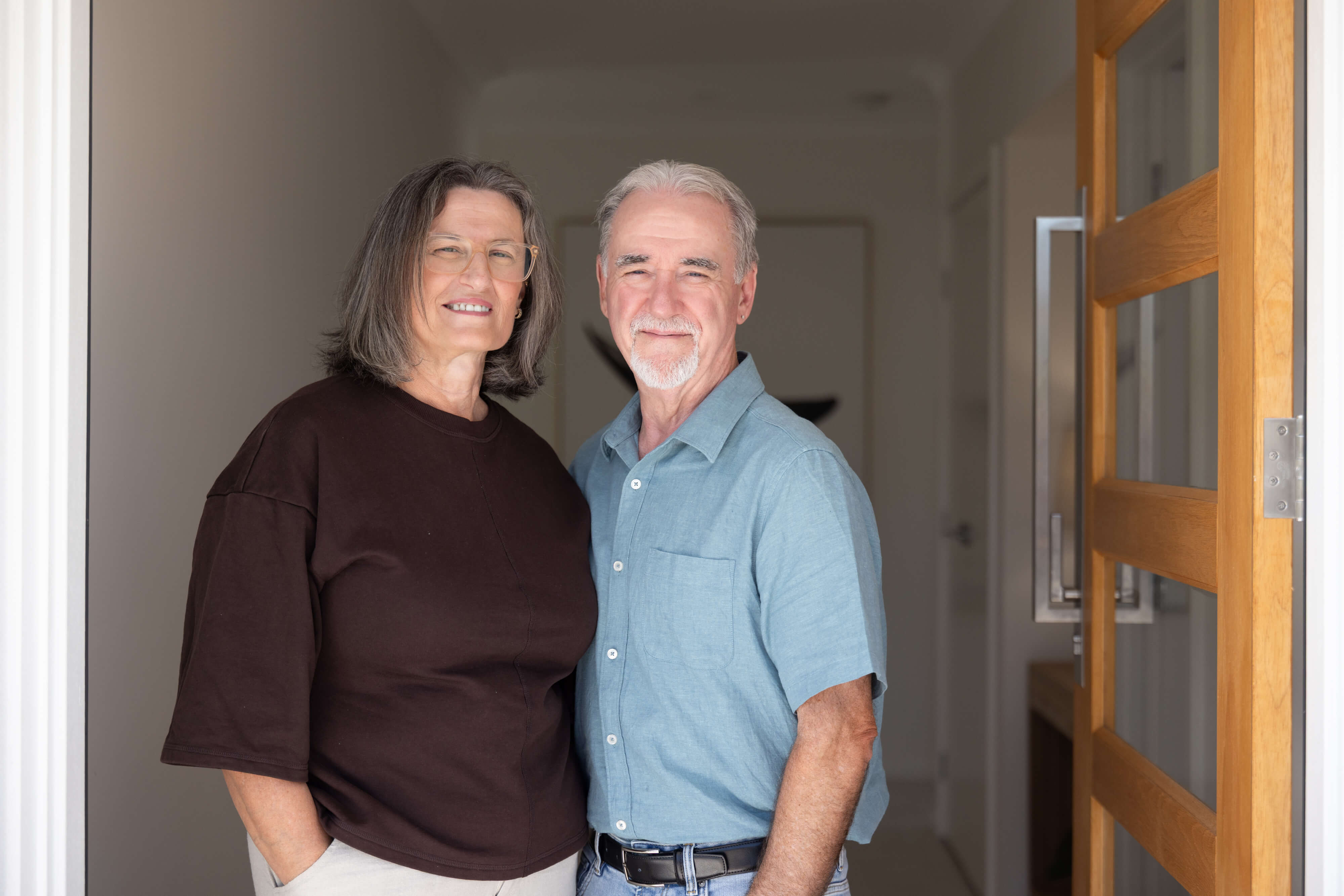
The location of your Forever Home matters just as much as the home itself. Think about what your daily and weekly routines look like — access to a GP, a good supermarket, a pharmacy, and a café you enjoy can make a significant difference to how much you rely on a car and how connected you feel to the area around you.
Community also matters. Being close to local clubs, walking paths, sporting facilities, or simply a neighbourhood where people know each other tends to make retirement feel more fulfilling.
What to check: How far are you from medical services, shops, and public transport? Is there a sense of community in the area? Will you feel comfortable here in five or ten years, not just right now?
Checkpoint 6
Accessibility Features Worth Having From the Start
You may not need grab rails in the bathroom today. That is not the point. The point is that a home designed with accessibility in mind from the beginning is far easier and cheaper to adapt later than one that has to be retrofitted.
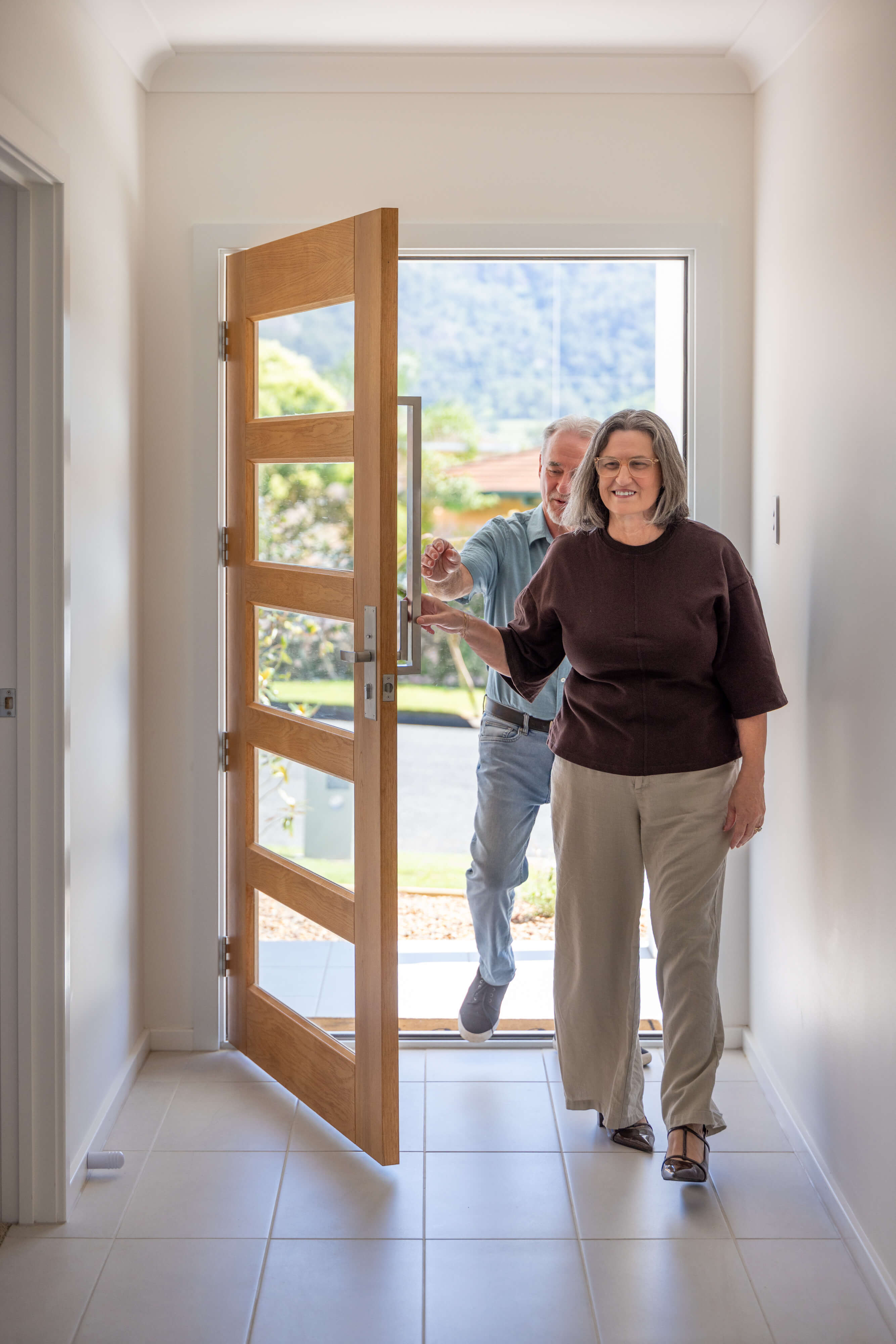
Look for wider doorways that comfortably fit a walking frame or wheelchair, a step-free entry, a bathroom layout with enough space to move around freely, and a shower that does not require climbing over a high lip. These features are not exclusively for people with mobility limitations — they make a home more comfortable for everyone, at every age.
What to check: Are doorways at least 820mm wide? Is there a step-free path from the car to the front door? Does the bathroom have, or have room for, a step-free shower? Is there enough turning space in key rooms?
Checkpoint 7
Storage That Actually Works
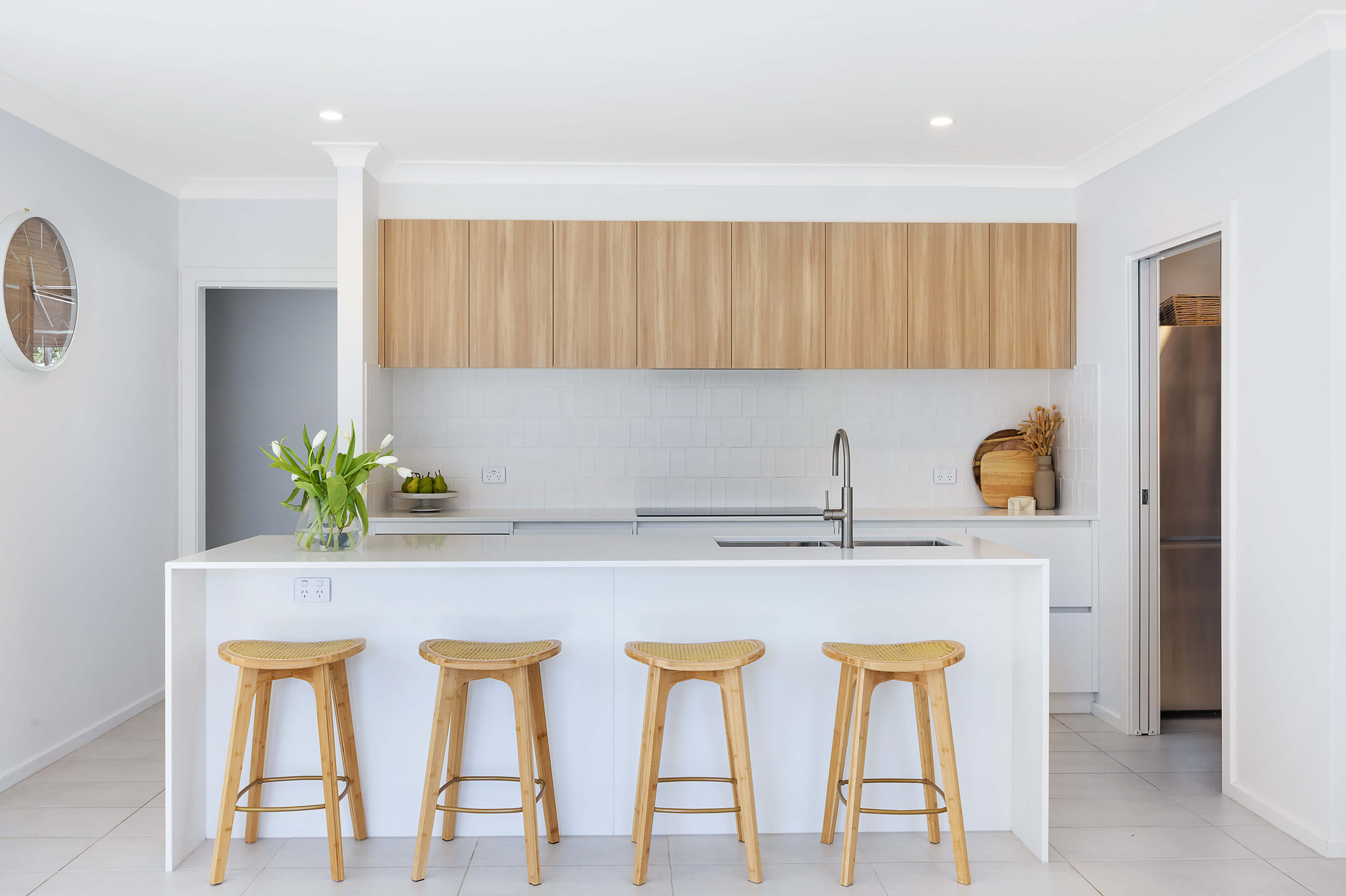
Going from a large family home to a smaller one often means rethinking what you own. But it does not mean living without adequate storage. A well-designed Forever Home makes clever use of built-in wardrobes, kitchen cabinetry, linen storage, and garage space so that everything has a place.
Be wary of homes that look spacious in a display but fall short on practical storage once you move your actual life into them.
What to check: Is there enough built-in storage throughout the home? Is the garage large enough for two cars and still functional as storage? Does the kitchen have generous bench and cupboard space?
Checkpoint 8
A Layout That Suits Two People
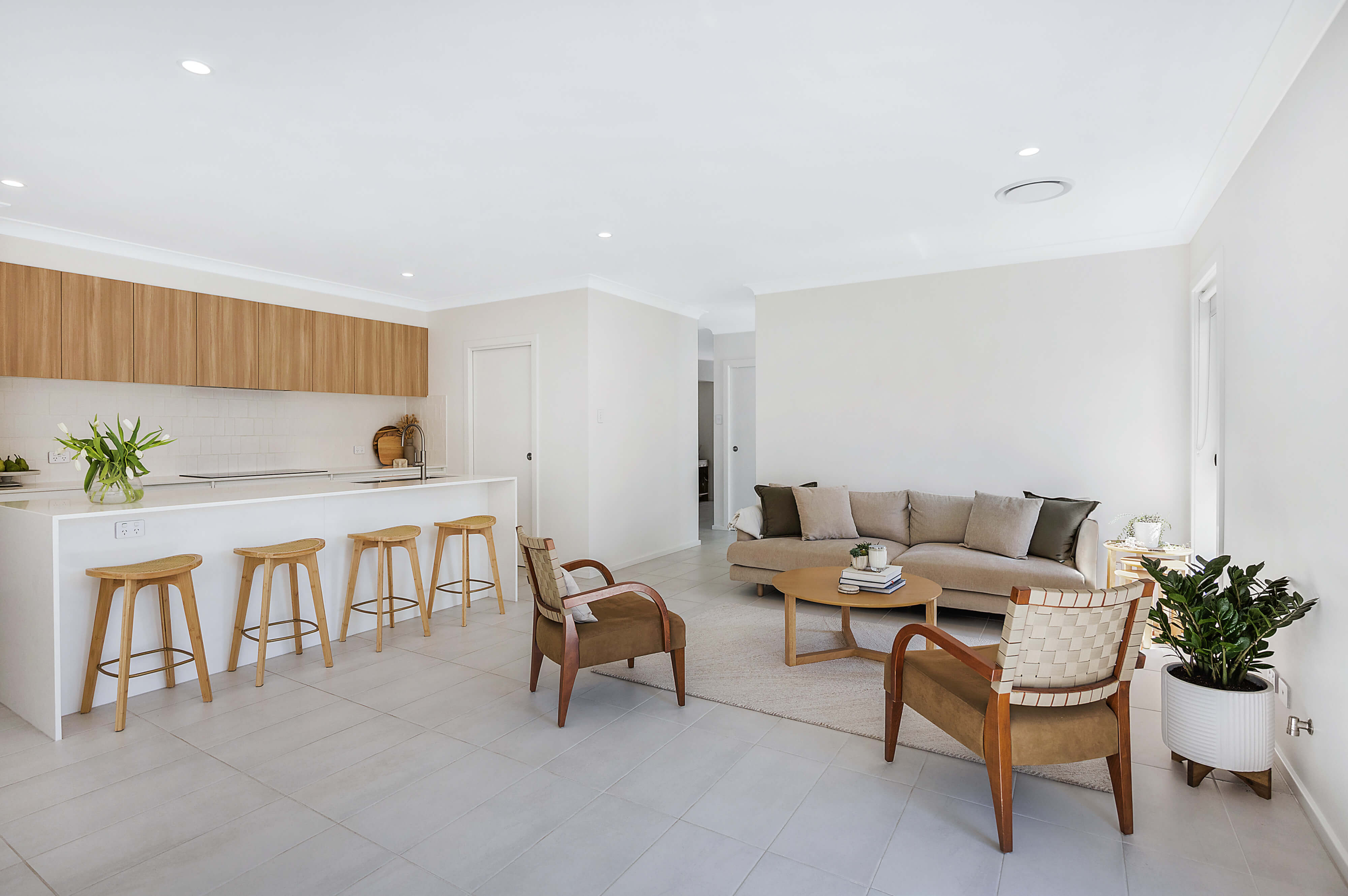
Most downsizers are couples, and a good layout should support two people living comfortably together without being on top of each other. This means thinking about things like whether there is a separate room for a home office or hobby space, whether both people have somewhere to retreat to, and whether the master bedroom is positioned for privacy and quiet.
It also means thinking about the future. A layout that works well if one person's health changes, or if one of you eventually needs to care for the other, is a practical and loving thing to plan for now.
What to check: Is the master bedroom well-positioned for privacy? Is there a room that could serve as a dedicated study or hobby space? Does the layout feel balanced for two people with different routines?
Checkpoint 9
Room to Personalise
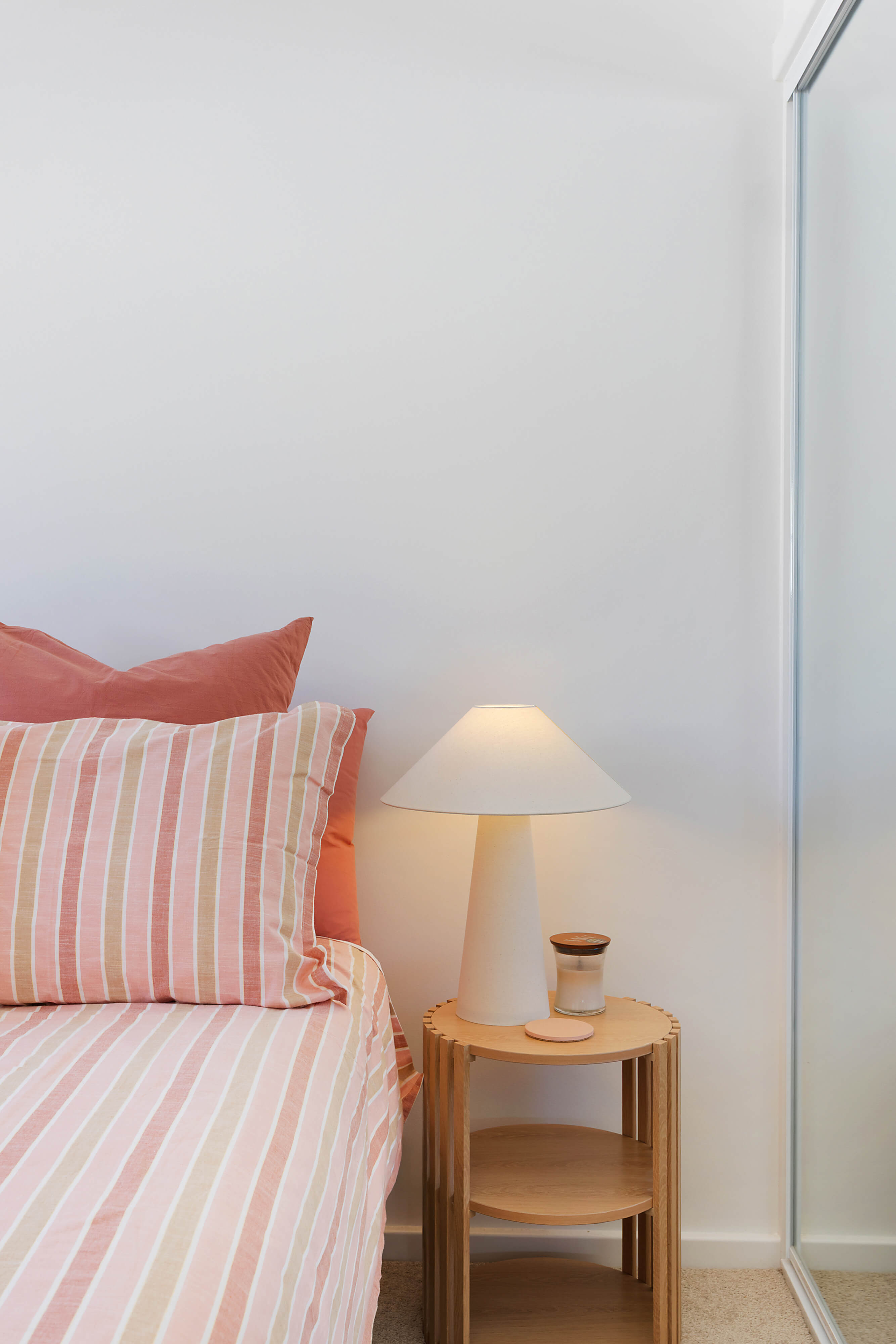
Your Forever Home should feel like yours. Look for a home that gives you the opportunity to choose finishes, colours, and fittings that reflect your taste rather than a builder's default.
A good builder will offer a proper colour selection process where you can make decisions that make the home feel personal from the moment you walk in.
What to check: Does the builder offer a colour and finishes selection process? How much flexibility is there in the design? Can you make changes to suit your block, your orientation, or your preferences?
Checkpoint 10
A Builder You Can Trust
The checklist above is only as useful as the builder who delivers on it. A Forever Home deserves a builder with a track record of quality, transparent pricing, and genuine support through the build process.
Ask about fixed-price contracts, build timeframes, and what happens if something goes wrong. Read real client stories, visit display homes, and speak with someone who has already built with them.
What to check: Does the builder have a strong reputation and real client testimonials? Is pricing transparent with no hidden extras? What does the post-handover support process look like?

.jpg?width=550&name=Display%20-%20Lochinvar%20-%20Chelsea%20235%20(5).jpg)
.jpg?width=550&name=Display%20-%20Lochinvar%20-%20Chelsea%20235%20(9).jpg)