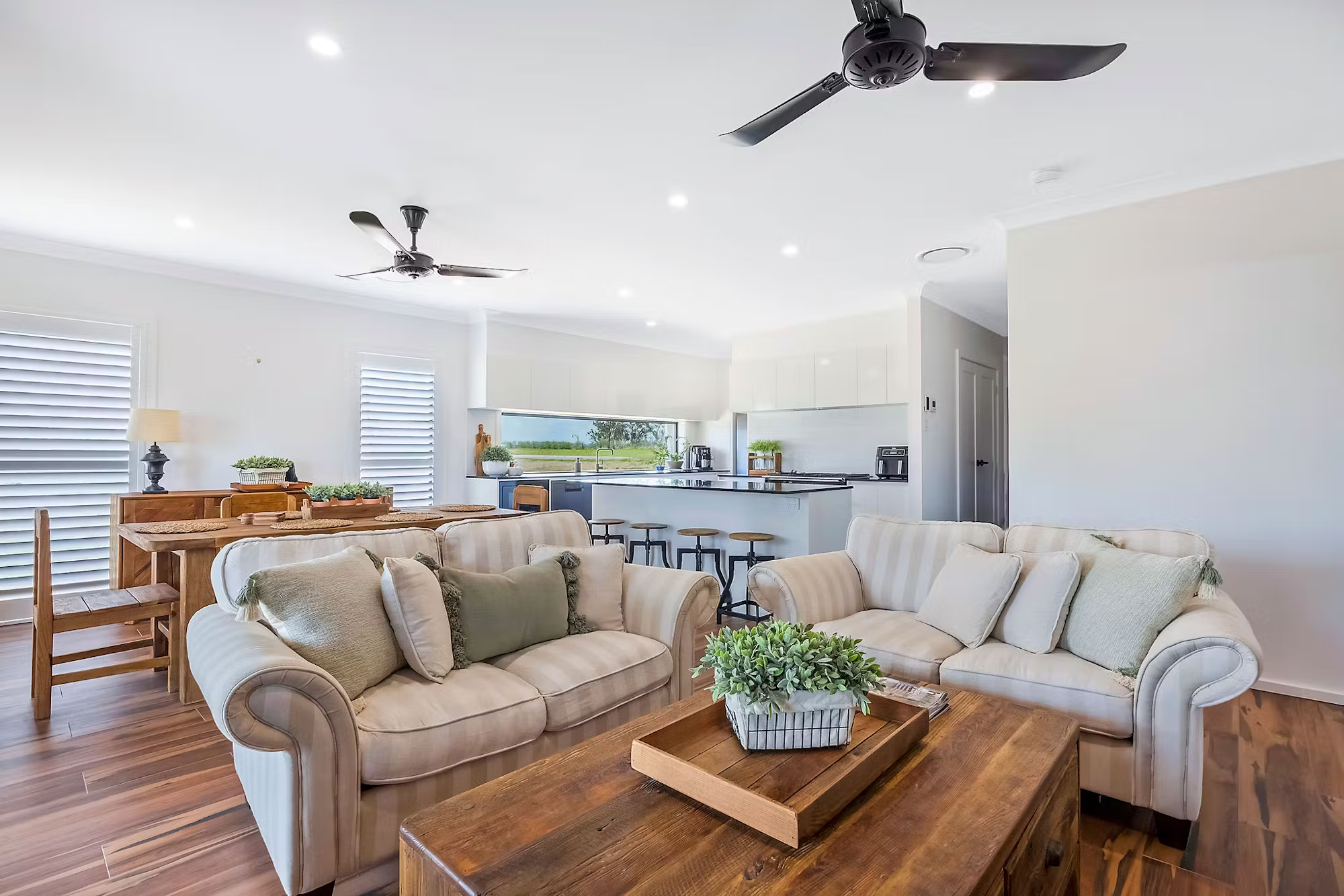
For Australian property investors, cash flow and tax efficiency can play an important role in supporting long-term investment outcomes. One potential financial advantage of buying a new build investment property is the property depreciation deductions available under Australian tax law.
Depreciation deductions can help investors reduce taxable income, improve annual cash flow, and maximise the overall return on investment. For both first-time investors and experienced property buyers, understanding how property depreciation works can help investors better assess the potential tax benefits associated with an investment property.
Tax outcomes vary depending on an investor's individual circumstances, ownership structure, taxable income and eligibility under current Australian tax law. Investors should seek professional tax advice before making investment decisions.
Stronger tax benefits from
NEW BUILD INVESTMENT
Property depreciation refers to the natural wear and tear of a building and its assets over time. The Australian Taxation Office (ATO) allows owners of investment properties to claim this decline in value as a tax deduction. There are two main types of property depreciation available to Australian investors:
Capital Works Deductions (Division 43) and Plant and Equipment Depreciation (Division 40).
Capital works deductions apply to the structure of the building itself, including:
- Walls and roofing
- Concrete and brickwork
- Kitchens and bathrooms
- Doors and windows
- Built-in cabinetry
Plant and equipment depreciation covers removable or mechanical assets within the property, including:
- Air conditioning systems
- Appliances
- Carpets and blinds
- Hot water systems
- Smoke alarms
These assets depreciate at different rates depending on their effective lifespan.
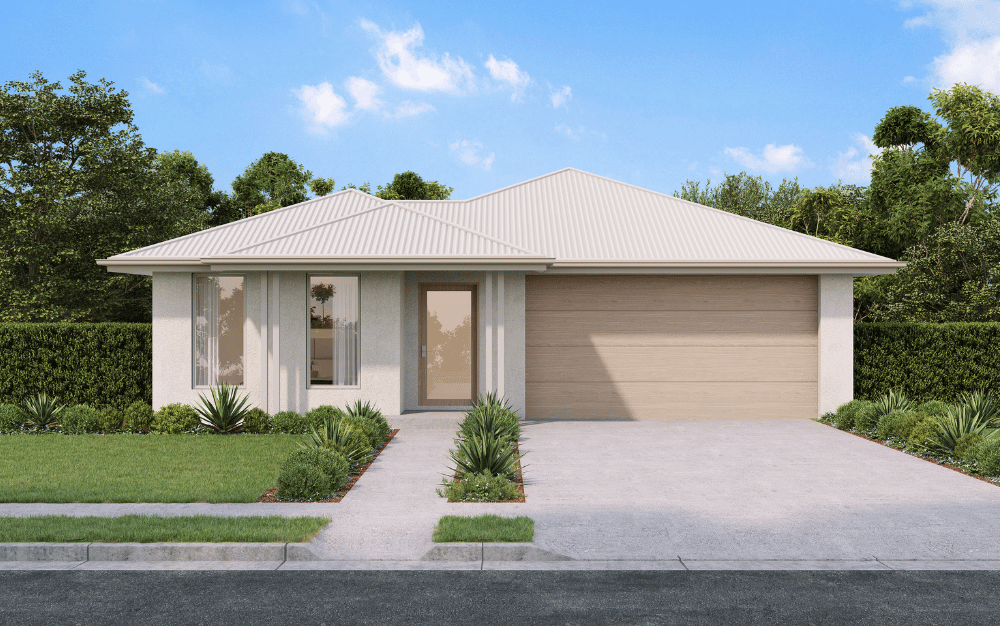
New build investments
INVESTMENT DEPRECIATION
Newly constructed investment properties may provide higher depreciation deductions than many established properties because both the building structure and internal assets are new at the time of purchase.
For some investors, this may create additional tax deduction opportunities.
.jpg)
Early years
HIGHER TAX DEDUCTIONS
One of the biggest advantages of purchasing a new build investment property is the ability to claim larger depreciation deductions during the first few years of ownership.
Because all fixtures, fittings, and building components are new, many new residential investment properties may generate material depreciation deductions, although the amount will vary depending on construction costs, asset values and individual circumstances.
These deductions may reduce taxable income without requiring additional out-of-pocket expenditure after purchase.
.jpg)
Leveraging your property
Improved Cash Flow
Depreciation is considered a non-cash tax deduction. Unlike mortgage repayments or maintenance expenses, depreciation does not require ongoing spending after the property has been purchased.
Where depreciation deductions reduce an investor's taxable income, this may improve after-tax cash flow, which some investors use to:
- Cover mortgage repayments
- Build financial buffers
- Reinvest into additional properties
- Reduce pressure during interest rate rises
- Strengthen long-term portfolio performance
For some investors, depreciation deductions may improve after-tax investment outcomes and assist in managing holding costs.

Maximising depreciation claims
Brand New Assets
Older investment properties often provide reduced depreciation opportunities because:
- The building may no longer qualify for full capital works deductions
- Existing plant and equipment assets may already be heavily depreciated
- Previous ownership can reduce claimable asset value
Under current Australian tax legislation, investors who purchase a previously owned residential investment property are generally unable to claim depreciation deductions for existing second-hand plant and equipment assets. However, deductions may still be available for newly installed eligible assets and other circumstances may apply.
Purchasing a newly constructed investment property may provide access to a broader range of eligible depreciation deductions from the commencement of ownership.
.jpg)
Long Term Value
Tax Depreciation Schedules
Most property investors engage a qualified quantity surveyor to prepare a tax depreciation schedule.
A depreciation schedule outlines:
- All claimable assets
- Annual depreciation deductions
- Effective life calculations
- Long-term tax forecasts
These schedules are recognised by the ATO and can generally be used for the entire ownership period of the property.
For new build investment properties, depreciation schedules are especially valuable because of the higher volume of eligible deductions available.
.jpg)
PORTFOLIO GROWTH
Some investors choose to allocate any tax savings generated through depreciation deductions toward broader financial objectives.
These savings may be redirected toward:
- Deposits for future investment properties
- Debt reduction strategies
- Property renovations
- Diversified investments
- Long-term wealth creation
Depending on individual circumstances, these tax efficiencies may support broader investment and wealth-building strategies over time.
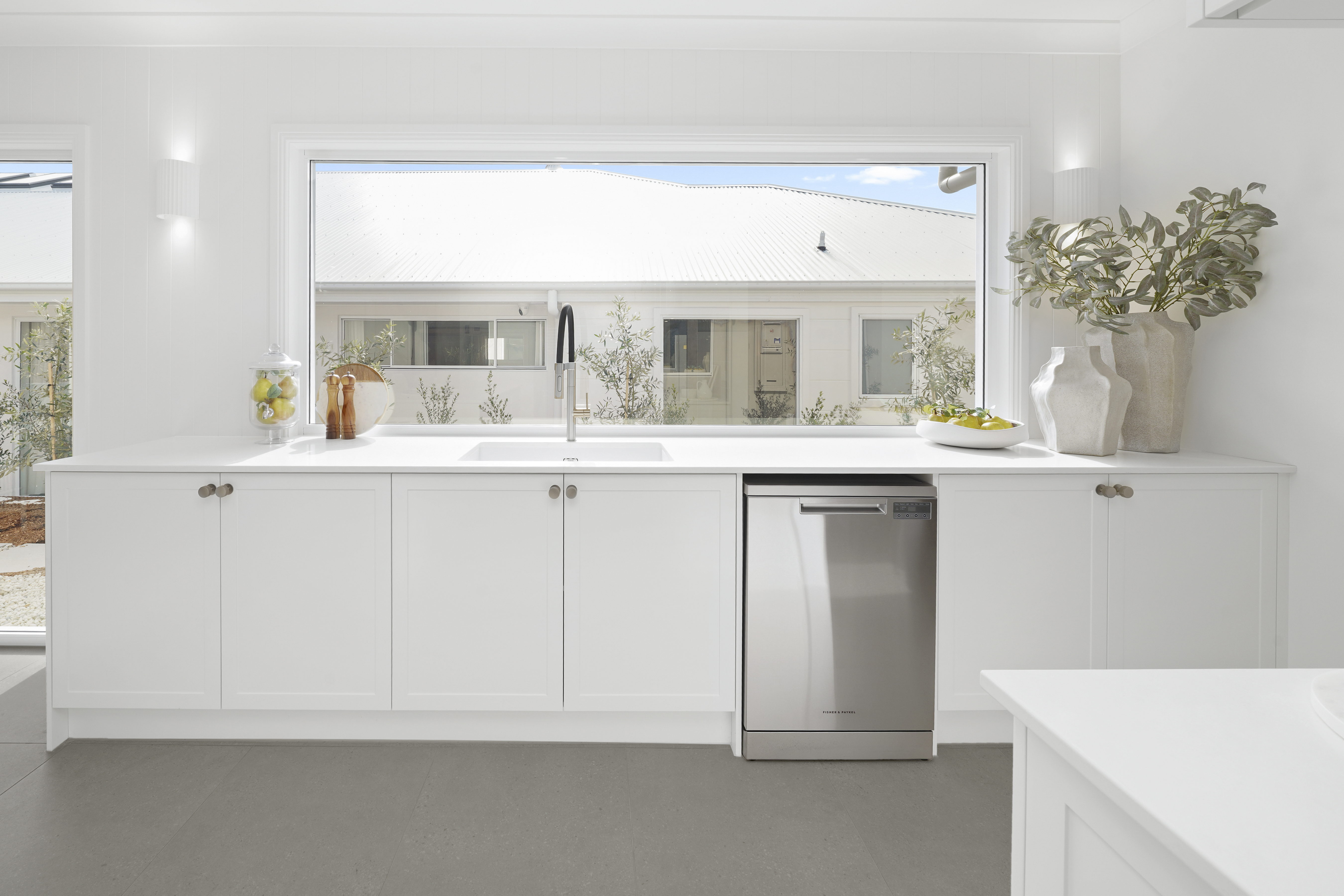
Important Considerations
Investors should also be aware that capital works deductions claimed during ownership may affect the property's cost base for capital gains tax purposes when the property is sold. Professional tax advice should be obtained to understand the potential implications.
While property depreciation offers substantial financial advantages, investors should still focus on strong investment fundamentals when choosing a property.
Important considerations include:
- Location quality
- Rental demand
- Population growth
- Infrastructure investment
- Builder reputation
- Construction quality
- Long-term capital growth potential
- Financing structure
- Body corporate or strata fees
Investment properties should never be purchased solely for tax benefits. Seeking advice from qualified accountants, mortgage brokers, financial advisers, and quantity surveyors can help ensure the investment aligns with long-term financial goals.
.jpg)
NEW BUILD FOR INVESTORS
Newly constructed investment properties may offer higher depreciation deductions than many established properties, particularly during the early years of ownership.
New homes can deliver compelling financial advantages over older investment properties:
- Higher depreciation deductions
- Improved cash flow
- Lower maintenance costs
- Modern energy-efficient designs
- Strong tenant appeal
By understanding how property depreciation works and leveraging professional advice, investors can significantly improve the after-tax performance of their property portfolios.
For both first-home investors and experienced buyers, depreciation remains an important tax consideration for many Australian property investors and can form part of a broader long-term investment strategy.
This article contains general information only and does not constitute financial, taxation or investment advice. Tax laws and property investment outcomes vary based on individual circumstances and may change over time. Readers should seek advice from appropriately qualified accountants, financial advisers, mortgage brokers and quantity surveyors before making investment decisions.
.jpg)